





SPECIALITIES

Refractive Surgery and LASIK 

Vision correction for people who want less dependence on glasses or contact lenses. LASIK, and other options when LASIK is not the right fit. 

*Monday to Saturday, 9 am to 8 pm | Consultations from 8:45 am

Consultations
Habsiguda and Chanda Nagar. Surgery at Habsiguda.
Insurance and Schemes

Elective vision correction is generally not covered by insurance or schemes. Only for special cases it is available.

Surgery Type

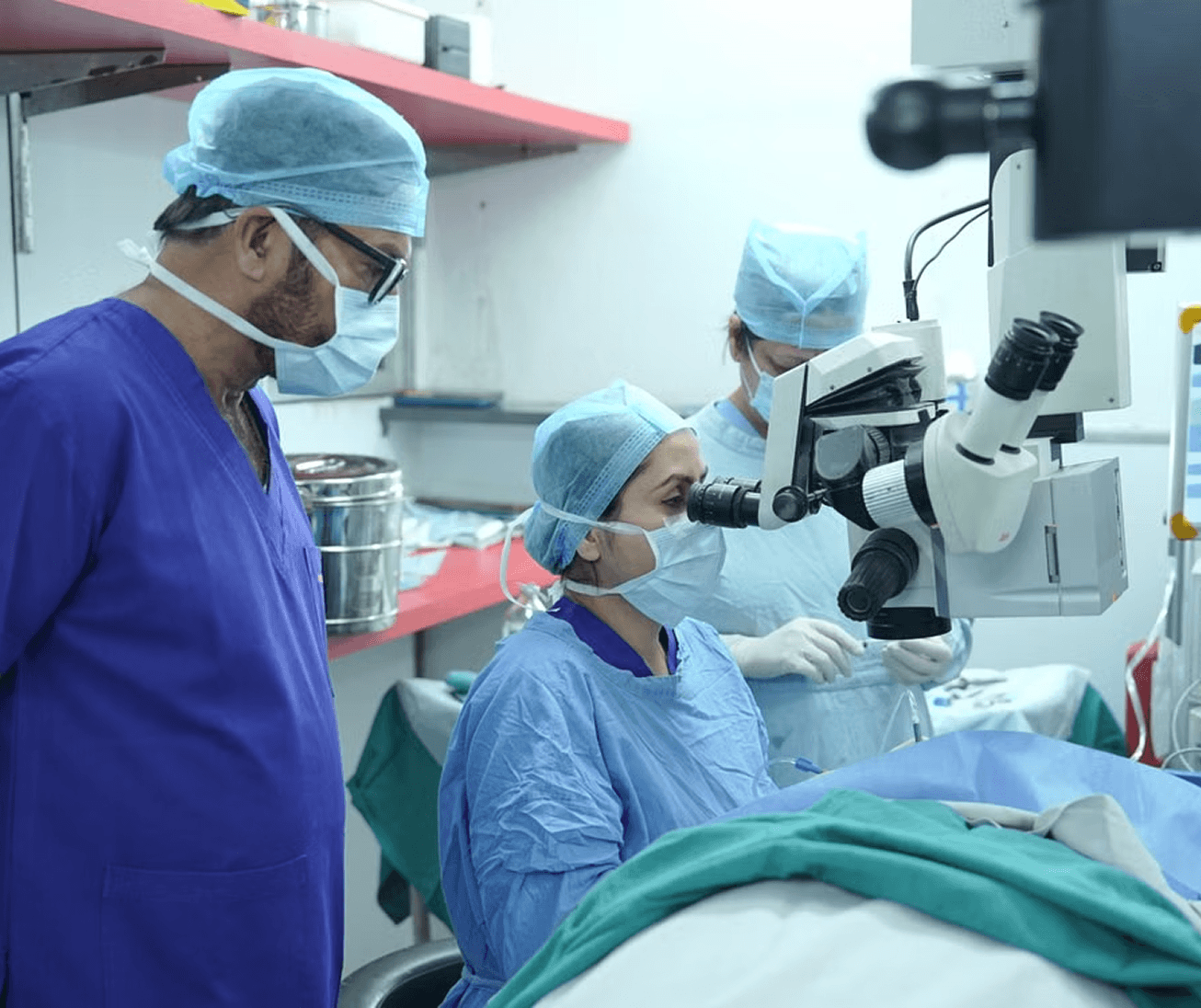
LASIK takes a few minutes per eye, under numbing drops. Both eyes are usually done on the same day.

Understanding Refractive Errors

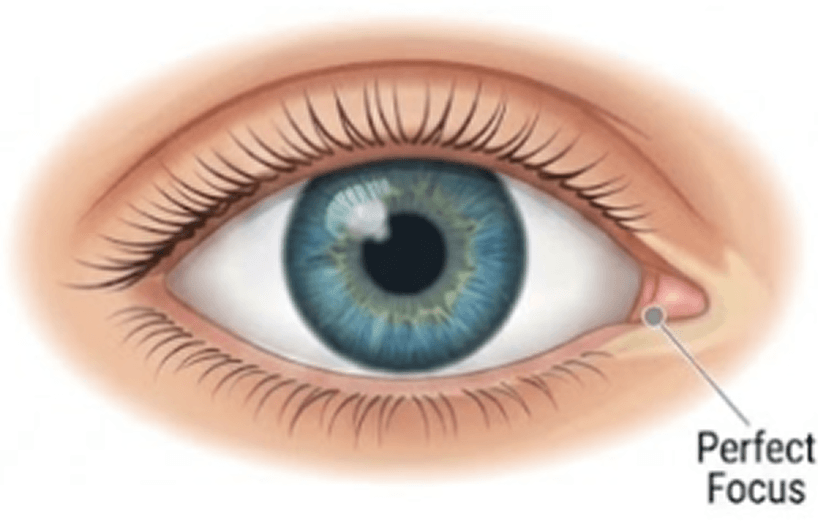
Healthy Anatomy
(Perfect Focus)
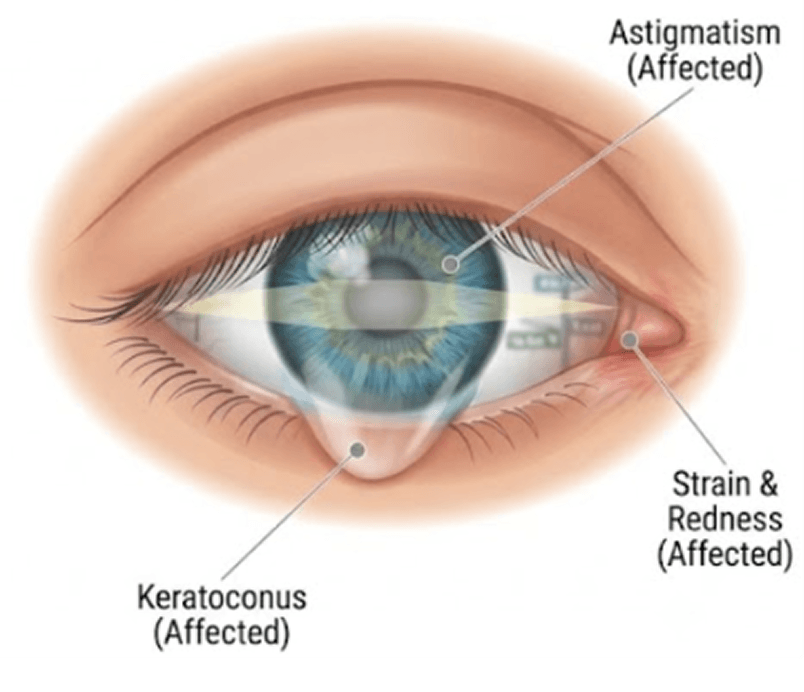
Affected Eye
(Blurred Vision)

What happens in a refractive error?

  • When the eye does not focus light correctly on the retina, vision is blurred. Glasses, contact lenses or surgery can correct it. 
  • Refractive surgery reshapes the cornea, or places or replaces a lens, to correct focus.
  • It reduces dependence on glasses or contact lenses. Results vary, and some people still need glasses for some tasks. 
  • Blurred distance or near vision
  • Headaches or tired eyes
  • Squinting to see clearly
  • Difficulty driving at night 
  • Holding reading material at arm’s length after 40
  • Frequent changes in glasses power 

Causes: an eyeball that is too long (short sight) or too short (long sight); an uneven curve of the cornea (astigmatism); ageing of the lens (presbyopia); genetics.

Risk factors: family history of short sight; long hours of near work and screen time; little time outdoors; age above 40 (presbyopia).

Myopia (short sight): distant objects look blurred

Hyperopia (long sight): near objects, and sometimes distant ones, look blurred

Astigmatism: blurred or distorted vision at all distances, from an uneven curve of the cornea

Presbyopia: difficulty reading up close after about 40, as the natural lens stiffens

  • Newborns: a basic eye check after birth. Premature babies need retina (ROP) screening. First eye check by age 3, or earlier if you notice a sign
  • A check before school, then every year if your child wears glasses
  • Daily time outdoors helps slow short sight
  • Screen breaks. For older children, every 20 minutes look 20 feet away for 20 seconds.
  • Protective eyewear for sports. Keep children away from crackers and sharp toys.
  • Do not apply kajal or home remedies in a baby’s eyes

A sudden change in vision needs an eye examination, not just new glasses.

1. Diagnosis

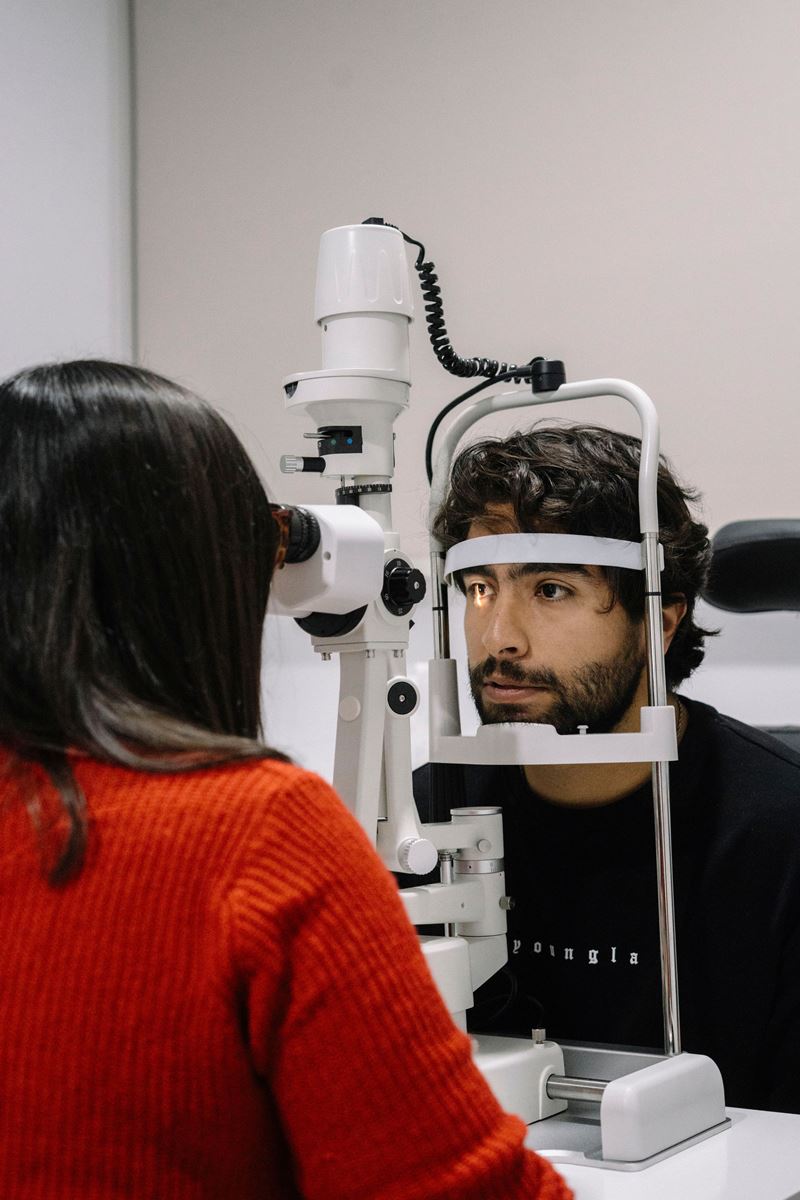
An eyelid, tear duct or orbit problem is confirmed with detailed eye examination. Tests may include: 
Corneal Mapping

Maps the shape and thickness of the cornea

Corneal Mapping

Maps the shape and thickness of the cornea

Dry Eye and Pupil Assessment

Checks tear quality and pupil size

Power, Eye Pressure and Retina Check

Confirms the rest of the eye is healthy

Dilating drops blur near vision and cause light sensitivity for several hours. Stop wearing contact lenses before the evaluation at least for a week for soft contact lens

2. Treatment

LASIK is the main procedure. Other options suit eyes where LASIK is not the right fit. 

Is Surgery Needed? 

Glasses and contact lenses correct vision safely. Surgery is a choice for people who want less dependence on them.

Without surgery: 

Glasses or contact lenses. For presbyopia after 40, reading glasses or progressive lenses.

Am I a candidate?
  • Usually suitable: age 18 or above; glasses power stable for at least a year; healthy corneas of enough thickness; no active eye disease.
  • May not be suitable: a thin or irregular cornea; severe dry eye; pregnancy or breastfeeding; uncontrolled diabetes or autoimmune disease; eye conditions such as glaucoma, uveitis or cataract.
LASIK at AEI:
  • How it works: A thin flap is made on the surface of the cornea. A laser reshapes the tissue beneath to correct the power. The flap is then placed back.
  • What to expect: Numbing drops and a few minutes per eye. Vision improves within a day or two.
  • Results: Vary from person to person. Some people still need glasses for some tasks, and reading glasses are needed after 40.
  • Risks: Dry eyes, night glare or halos, and under- or over-correction that may need an enhancement. Your doctor explains these before you decide.

Other options:

  • PRK: A surface laser with no flap. Suits thinner corneas. Recovery is slower.
  • Implantable lens (ICL): A lens placed inside the eye, for high power or thin corneas.
  • Lens exchange: The natural lens is replaced with a lens implant, usually later in life.

Got a diagnosis? Ensure you’re on the right track with a second opinion:

3. Recovery and Post-Op Care

First Week
  • Eyes feel scratchy or watery and vision is hazy on day one
  • Wear the shield while sleeping for the first few nights
  • Use drops exactly as prescribed
  • Do not rub your eyes
  • Keep water and soap out of the eyes 
Weeks 2-4
  • Avoid swimming, saunas and contact sports until cleared
  • Dryness is common for weeks to months. Lubricating drops help.
  • Night glare usually settles
  • Desk work is usually possible within 2 to 3 days [CONFIRM]. Drive after your doctor clears you. 
Follow-up

Day 1, week 1, month 1 and month 3.
Call us or visit immediately for increasing pain, redness with a drop in vision, or discharge.

Got questions about your recovery?

Planning Your Care

Comprehensive care, personalized for you. Know what is covered, what it costs and what to bring.
1.
Diagnosis
Diagnosis
2.
Treatment
Treatment
3.
Recovery
Recovery

Insurance & Schemes

What will it cost?
Consultation fee:

₹700
₹350 for EHS/CGHS beneficiaries

Surgery:
Depends on your power and whether both eyes are treated

Before your visit
The first visit is an evaluation. The procedure date is set after it.

*LASIK and other elective vision correction are generally not covered by health insurance or schemes. 

Unsure where to start? We’re here to help!

Frequently Asked Questions

Is LASIK painful?

The eyes are numbed first. You feel light pressure during the procedure and some scratchiness for a few hours after.

LASIK corrects your current power. Eyes can still change with age, and presbyopia appears after 40. A few people need an enhancement.

Many people see well without glasses after LASIK. Not everyone does. Reading glasses are usually needed after 40.

Other options, such as PRK or an implantable lens, may suit you

Many people return to desk work in 2 to 3 days. Your doctor tells you when to drive.

Elective vision correction is generally not covered.

People with a thin or irregular cornea, severe dry eye, an unstable power, certain eye diseases, or who are pregnant or breastfeeding. Evaluation confirms it.

Considering LASIK?

Book an evaluation at Habsiguda or Chanda Nagar.
Scroll to Top