
When blurred vision, glare or poor night vision starts affecting daily tasks such as reading, driving or work. An eye examination confirms it.
Frequently Asked Questions
Find answers to common questions about our products and services
Cataract
Many people notice improvement within a day or two. Vision keeps settling over a few weeks.
It depends on the lens. Most people need glasses for some tasks, such as reading, unless they choose a lens designed to reduce glasses use.
The eye is numbed first. Most people feel light pressure but no pain.
No, the cloudy lens is removed. In some people the thin membrane may form behind the IOL after months or years later. A short outpatient laser procedure clears it.
No. Cataract surgery is generally day care and you go home the same day.
Waiting is not harmful in itself, but a very advanced cataract can be harder to operate on and may cause other eye problems. Your doctor will advise on timing.
Before posting for surgery, you need to get the basic investigations and clearances done which will be advised by our Team. If they are normal you can get it done.
It depends on the IOL selected by the patient, Sometimes IOL selected by the patient may not fit for the patient. Talk to your surgeon to know in detail.
Usually one eye is done first and the second eye after 2-4 weeks. Speak to your surgeon reagarding this.
Age alone is not a barrier. Your general health is checked before the operation.
Yes, as long as these are reasonably controlled. Your eye doctor may ask your physician for clearance if required.
No. This is an old myth. With modern surgery, waiting for a cataract to become mature or hard actually makes the operation more difficult and raises the risk of complications. Consult your surgeon.
Usually not, but a very mature cataract can cause raised eye pressure (glaucoma) or inflammation. If your eye becomes painful and red, see your doctor promptly.
Price depends on lens design, material, and whether it is foldable/rigid or imported/not.
| Lens type | What it does | Glasses after surgery | Good to know |
|---|---|---|---|
| Monofocal | Clear vision at one distance (far) | Reading glasses needed | Most common and most affordable; excellent quality of vision |
| Multifocal / trifocal | Focuses at far, middle and near | Often little or no glasses | Some halos or glare at night; not ideal for everyone |
| EDOF (extended depth of focus) | Clear far and middle (computer) range | Reading glasses for fine print | Fewer halos than multifocal |
Cornea
Yes, if it is not treated early. Early treatment protects vision and the eye.
The cornea thins and bulges, blurring and distorting vision. Cross-linking can stop it from worsening, and glasses or special lenses improve vision.
No. Only the front corneal tissue is replaced.
From eye banks, through eyes donated after death with the family’s consent.
Many last for years, with regular follow-up and eye drops as advised.
Yes, with strict hygiene. Never sleep in them, never use tap water, and remove them at the first sign of redness or pain.
Do not rub. Rinse with clean water, do not put in home remedies or old drops, and see an eye doctor the same day.
Retina
No. The risk rises with the years of diabetes and with poor control. Control and a yearly dilated check protect vision.
Early diabetic retinopathy has no symptoms. Dilation lets the doctor see the whole retina.
Most are harmless. New floaters with flashes of light need a same-day check, since they can signal a tear.
Pediatric Ophthalmology
Newborns get a basic check after birth. Have a full eye check by age 3, or earlier if you notice a sign. After that, every 6 months if your child wears glasses.
Yes. Children assume everyone sees as they do. Squinting, sitting close to the TV and headaches are signs.
No. Glasses give clear vision. The power changes as the child grows.
Oculoplasty
No. Most of it is functional or reconstructive, such as protecting the eye, restoring drainage or removing growths. Some procedures are cosmetic.
It is common and often due to a blocked tear duct. Many open on their own in the first year. See a doctor if it persists or if there is discharge or swelling.
It does when the eyelid blocks vision or affects the eye. Your doctor first finds the cause.
Refractive Surgery and LASIK
The eyes are numbed first. You feel light pressure during the procedure and some scratchiness for a few hours after.
LASIK corrects your current power. Eyes can still change with age, and presbyopia appears after 40. A few people need an enhancement.
Many people see well without glasses after LASIK. Not everyone does. Reading glasses are usually needed after 40.
Glaucoma
No, but it can be controlled. Treatment protects the vision you have.
No. That is why early detection matters.
Yes. Early glaucoma usually has no symptoms. Get checked from 40, or earlier with a family history or other risk.
No matching questions found. Try a different search.
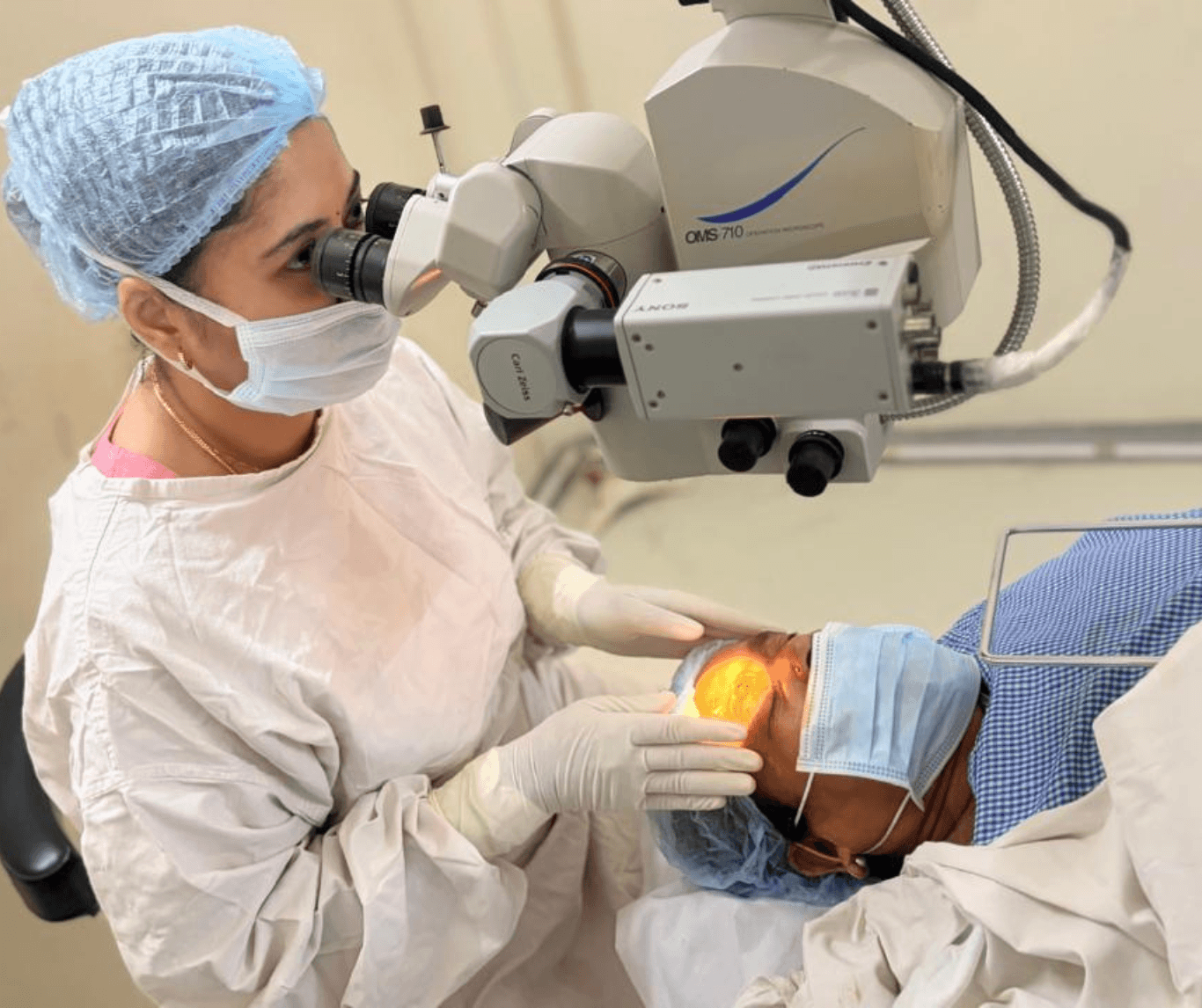
Ready to book your visit?
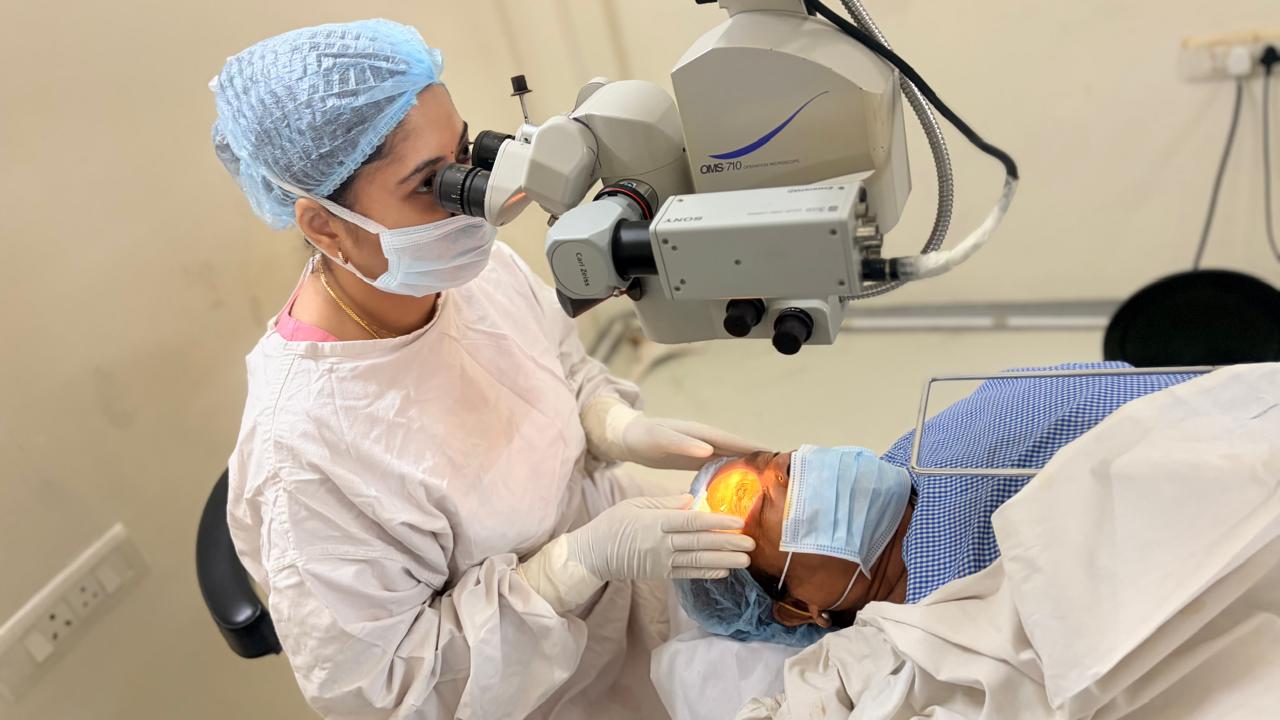
Consultations are available at both Habsiguda and Chanda Nagar.