Diabetes and Your Eyes:
What Families Should Know About Regular Eye Checks
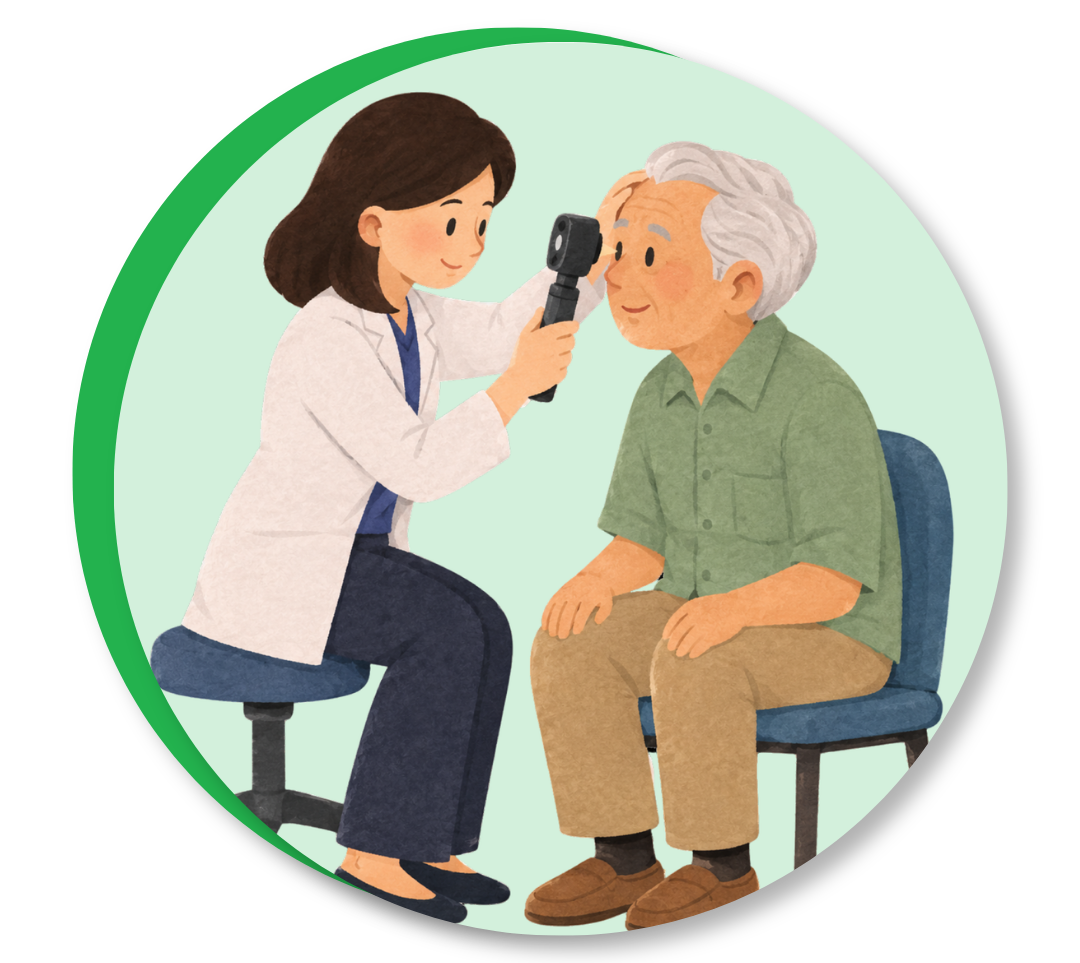
If someone in your family has diabetes, you probably already watch their food, medicines and sugar readings. Eye checks often get left out, because the eyes seem fine. Your father reads the newspaper. Your mother threads a needle. So why go to an eye hospital?
This blog is for people with diabetes and for the family members who help look after them. It explains why a diabetes eye check in Hyderabad is worth planning, what happens at the visit, how to prepare, and when to see a doctor sooner.
01. WHY IT HAPPENS
Why Does Diabetes Affect the Eyes?
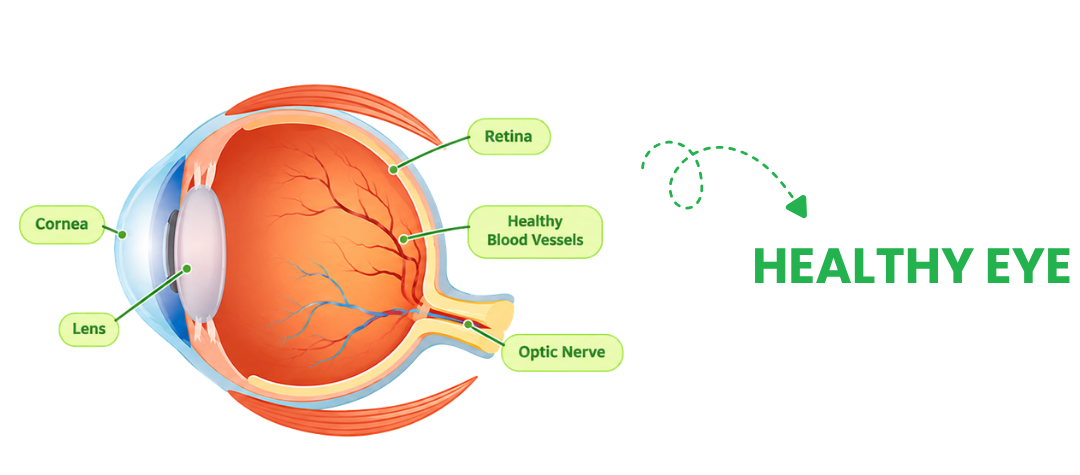
Over many years, high blood sugar can damage the tiny blood vessels in the body. The back of the eye, called the retina, has many of these fine vessels. The retina is the layer that catches light and sends the picture to the brain.
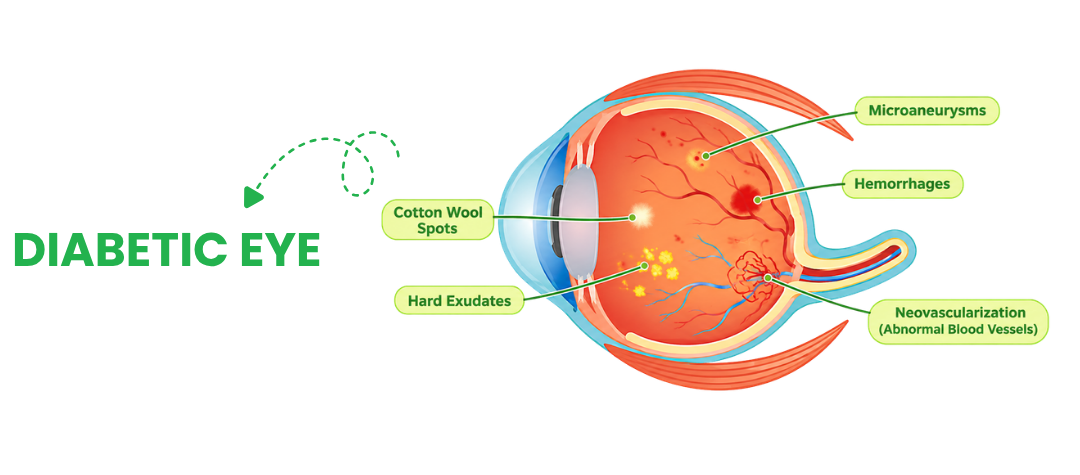
When these vessels are damaged, they can leak fluid or bleed. This condition is called diabetic retinopathy. It is one of several ways diabetes can affect the eyes. Diabetes can also make cataract and glaucoma more likely, so the whole eye is worth checking.
Not everyone with diabetes will have eye problems. But the risk is there, and the only way to know is for a doctor to look at the retina directly.
02. THE HIDDEN RISK
Can You Have Diabetic Eye Problems and Still See Well?
Yes, and this is the most important point in this blog. In the early stages, diabetic retinopathy usually causes no pain and no change in vision. By the time sight becomes blurry, the changes may already be advanced.
“My vision is fine” does not mean “my retina is fine.”
That is why doctors advise regular checks even when nothing feels wrong. Finding changes early gives you more options and more time.
You can read more about the retina on our Retina page.
03. YOUR CHECK-UP SCHEDULE
Who Should Get Their Eyes Checked, and How Often?
The right schedule depends on the person, so your doctor will advise you. In general:
Most need a comprehensive eye examination, with the pupils dilated, at least once a year.
If blood sugar is also well controlled, your doctor may suggest a different interval.
You may need to be checked more often.
The first dilated eye examination is generally advised about five years after diagnosis, followed by regular checks.
An eye check is generally advised around the time of diagnosis, then at regular intervals.
If you are planning a pregnancy or are already pregnant, tell your eye doctor. You may need an examination before pregnancy, in the first trimester, and extra monitoring after that, depending on your eyes.
Gestational diabetes (diabetes that begins during pregnancy) is different, and it does not usually need the same retina screening. Your doctor will advise you.

If your parent has had diabetes for many years and has never had a dilated eye exam, a first visit is a good place to start.
04. WARNING SIGNS
What Are the Signs That Need a Doctor’s Attention?
Early on, there may be no signs at all. As changes develop, people may notice the following. These are reasons to book an eye appointment soon:
Blurry or changing vision, better on some days and worse on others.
Trouble seeing in dim light.
Colours that look faded, or everything looking dull.
A few new floaters, which look like small dark spots or threads drifting across your view.
When Should You Call the Doctor?
Don’t wait for your next scheduled check if you notice any of these. They need an eye examination the same day:
- Sudden loss of vision in one or both eyes
- A sudden shower of new floaters, or flashes of light
- A dark curtain or shadow moving across your vision
- Sudden blurring that doesn’t clear
- Eye pain or redness along with vision change
These are signs of problems that needs urgent attention. Contact your eye hospital the same day. If you can’t reach them, go to the nearest emergency department.
05. THE VISIT
What Happens at a Diabetic Eye Check?
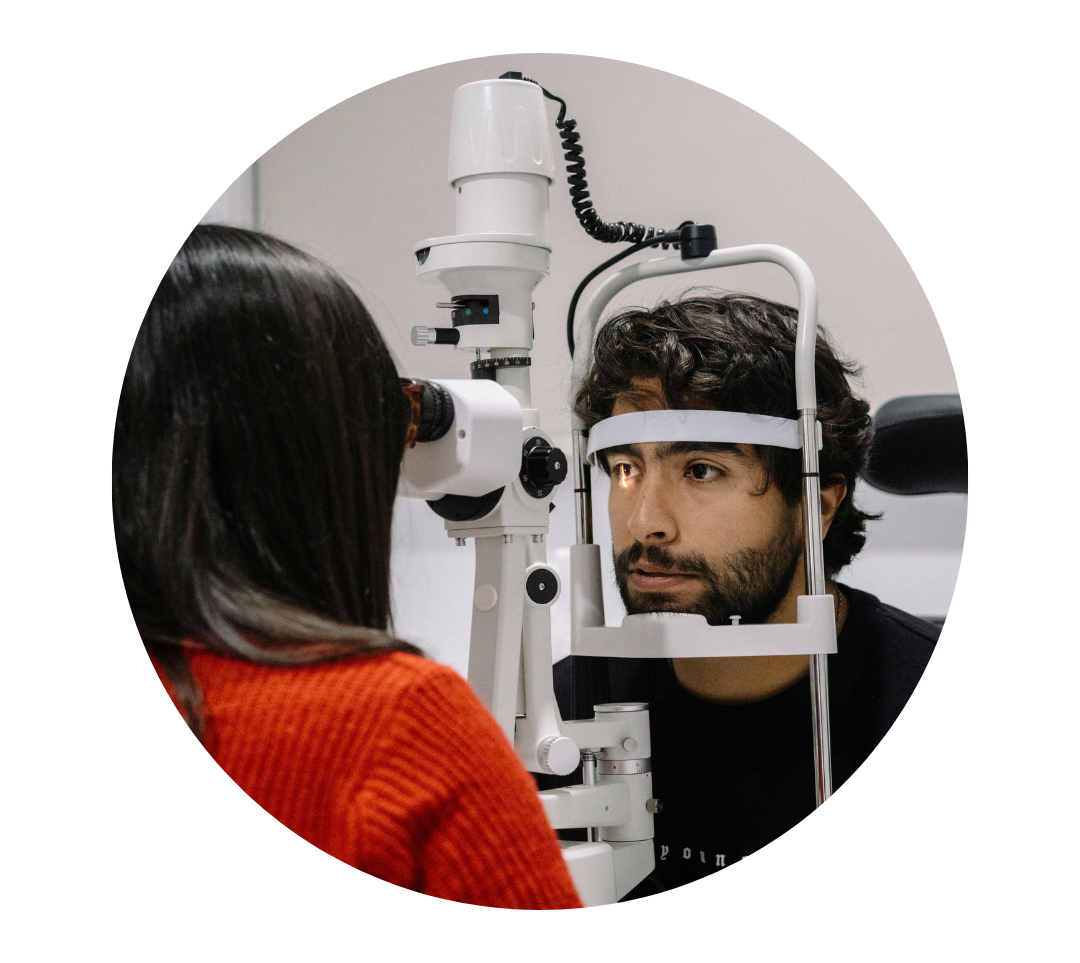
A diabetic eye check is simple and usually painless. The visit generally goes like this:
History
The doctor asks how long you’ve had diabetes, your recent sugar readings, your medicines, and whether you have blood pressure or kidney problems.
Vision test
You read letters from a chart, with and without glasses.
Eye drops
Drops are put in to widen the pupil. This is called dilation. They usually take about 20 to 30 minutes to work.
Retina examination
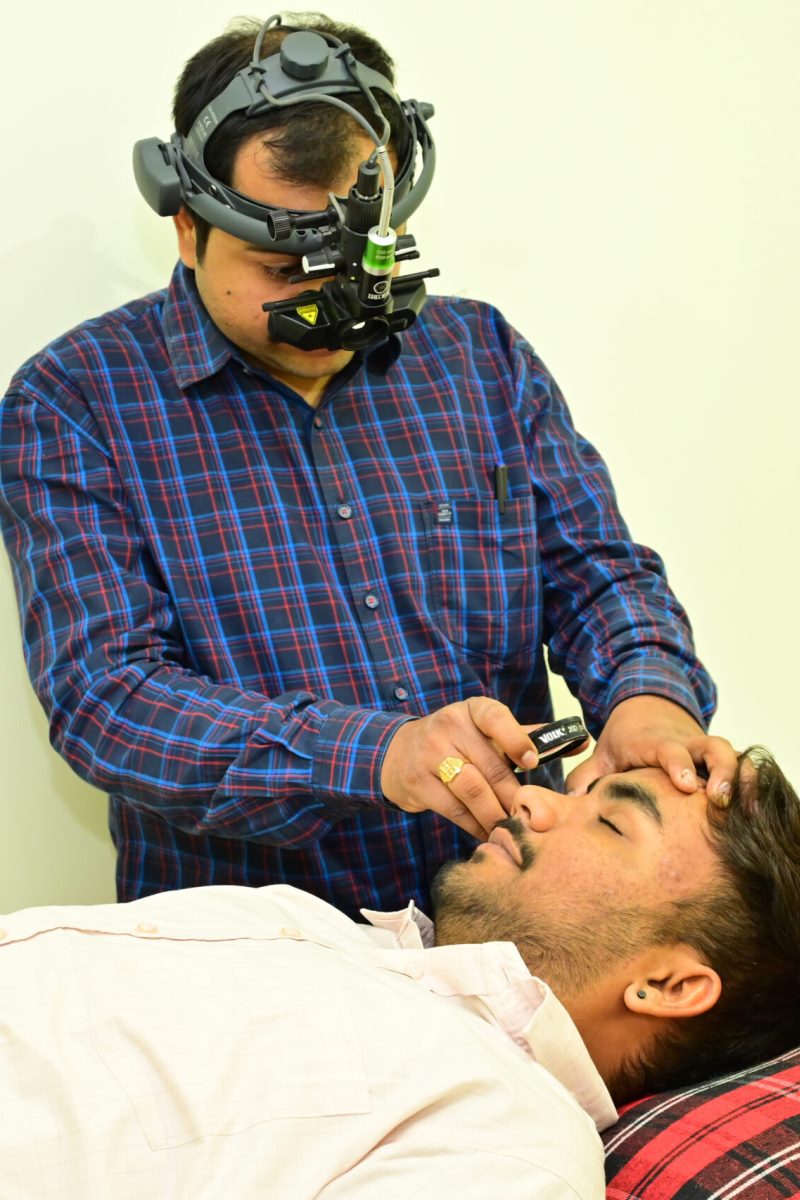
The doctor looks at the back of the eye. Depending on what is needed, you may also have photographs or scans of the retina.
Explanation
The doctor explains what was found, whether you need a follow-up or treatment, and when to return.
Allow a few hours for the visit. The total time depends on the tests and scans needed, and your near vision may stay blurry for some time after the drops.
06. BEFORE YOU GO
How Should You Prepare for the Visit?
A little planning makes the day easier, especially for older parents.
Bring someone with you, because the drops blur near vision and make bright light uncomfortable, and the person with diabetes should not drive afterwards.
Carry sunglasses, as Hyderabad’s sun can feel very harsh after dilation.
Eat and take medicines as usual, unless your doctor has told you otherwise, and carry a snack in case you wait.
Bring your records, including recent sugar reports (such as HbA1c), your medicine list, any earlier eye reports and your glasses.
Write down your questions and any changes in vision, even small ones.
07. QUESTIONS TO ASK
What Can You Ask the Doctor?
What did you see in my retina, or my parent’s retina?
Do the eyes show any changes from diabetes? If so, at what stage?
When should the next check be?
Do I need any treatment now, or only monitoring?
Which signs should I watch for at home?
Do my blood pressure or cholesterol affect my eyes?
If treatment is needed, what will it involve and how long will recovery take?
08. DAILY HABITS
What Can You Do at Home to Protect Your Eyes?
Stay within the range your doctor has set. Steady control over many years makes a real difference.
Both affect the tiny vessels in the eye.
Don’t stop them because you feel well.
Choose activity your doctor says is safe for you.
Smoking can add to the damage to the tiny blood vessels, including those in the eyes.
Many families set a reminder on the same date as another regular check, such as an HbA1c test.
These habits support your overall health and help reduce the risk of diabetes-related eye problems. Continue your regular eye examinations even when your blood sugar is well controlled.
09. IF SOMETHING SHOWS UP
What If the Check Shows a Problem?
Finding changes in the retina does not always mean treatment is needed straight away. Some people only need regular monitoring. Others may need treatment, and the right approach depends on the type and stage of the condition. Your doctor will explain what was found and talk through the options with you, and the decision is made together.
Treatment is usually aimed at protecting the sight you have and slowing further damage. Results vary from person to person, and your doctor will tell you what is realistic for you or your parent.
If you’d like to talk to someone about booking a check up, you can book an appointment here.
10. PLANNING AHEAD
Does Diabetic Eye Care Cost a Lot, and What About Insurance?
The cost depends on what is needed, so it’s best to ask early. A screening visit and a treatment plan are very different things, and your doctor can tell you what applies to your case.
- AEI works with several schemes and insurers, and the hospital team can help you check what applies to you. This may include EHS, CGHS and cashless insurance.
- Ask the team before your visit so you know which documents to bring.
You can read the details on our Insurance and Schemes page.

Dr. A. Sree Ram Charan M.B.B.S D.O D.N.B FAEI Consultant
SPECIALITY
Retina & Vitreous Services
REGN
TSMC 75572
This blog is for general information and does not replace a doctor’s advice. Please consult your eye doctor about your own situation.
Questions Families Often Ask
My father’s sugar is well controlled. Does he still need an eye check?
Yes. Good control lowers the risk, but it doesn’t remove it. The retina can only be checked by looking at it, and your doctor will advise how often.
Will the eye drops hurt?
They may sting for a few seconds. The blurry near vision and light sensitivity last a few hours and then wear off.
Can my mother go back to cooking and daily work after the visit?
Most people can return to their usual activities once their vision feels comfortable. Near vision may stay blurry and bright light may feel uncomfortable for a few hours. Avoid driving until your vision has returned to normal.
Do we need to come together as a family?
One person is enough, but it helps to have someone who can listen to the doctor’s advice and remember it. Many families find it easier when a son or daughter comes along.
We live in another city. Can we still keep up with regular checks?
Yes. Choose a date each year, book ahead, and keep your reports together. If you’re a son or daughter living away from your parents, a call to book their appointment and a reminder close to the date helps a lot.
Is it too late to start if my parent has had diabetes for 15 years?
No. It’s better to start now than to wait. The doctor will assess where things stand.
Does Diabetes Run In Your Family?
Book a comprehensive eye exam at our Habsiguda or Chanda Nagar centre. Our specialists will explain the tests, check for early signs of damage and help your family understand what to do next